Friendship, Clubs, and Intellectual Ferment: Creating a Hub for Campus Ministry
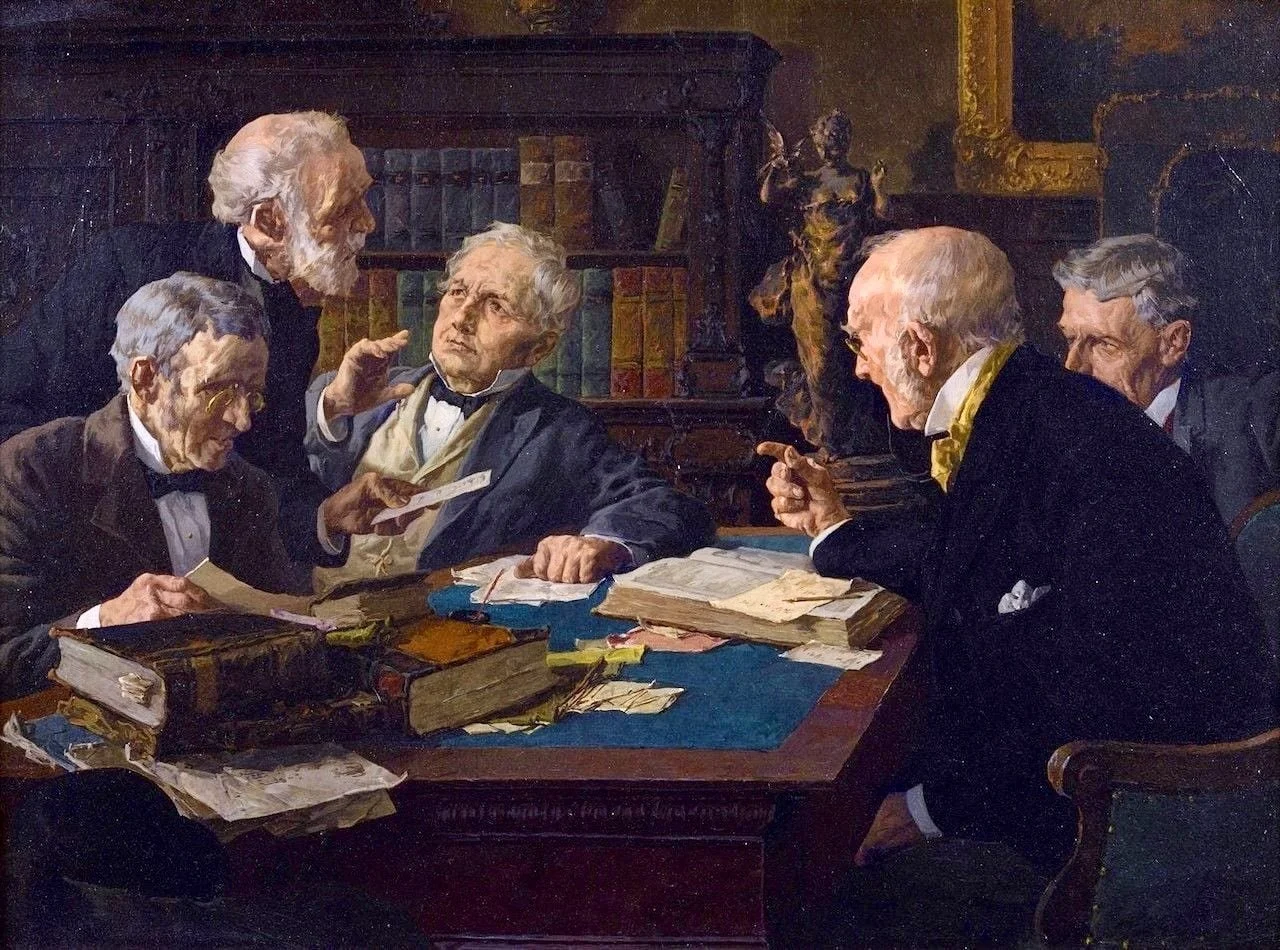
One characteristic that sets Cambridge House apart from many of the other campus ministries at William & Mary is that it has a physical location. Although campus ministries can reserve rooms on campus for events, such rooms can often can feel somewhat sterile and institutional.
In contrast, at Cambridge House we strive to create a warm, hospitable environment that makes people feel at home—it doesn’t hurt that the study center is located in an actual house (or that it provides free coffee, tea, and food!).
Read More
Elites, Institutions, and Networks: How Cultural Change Really Happens
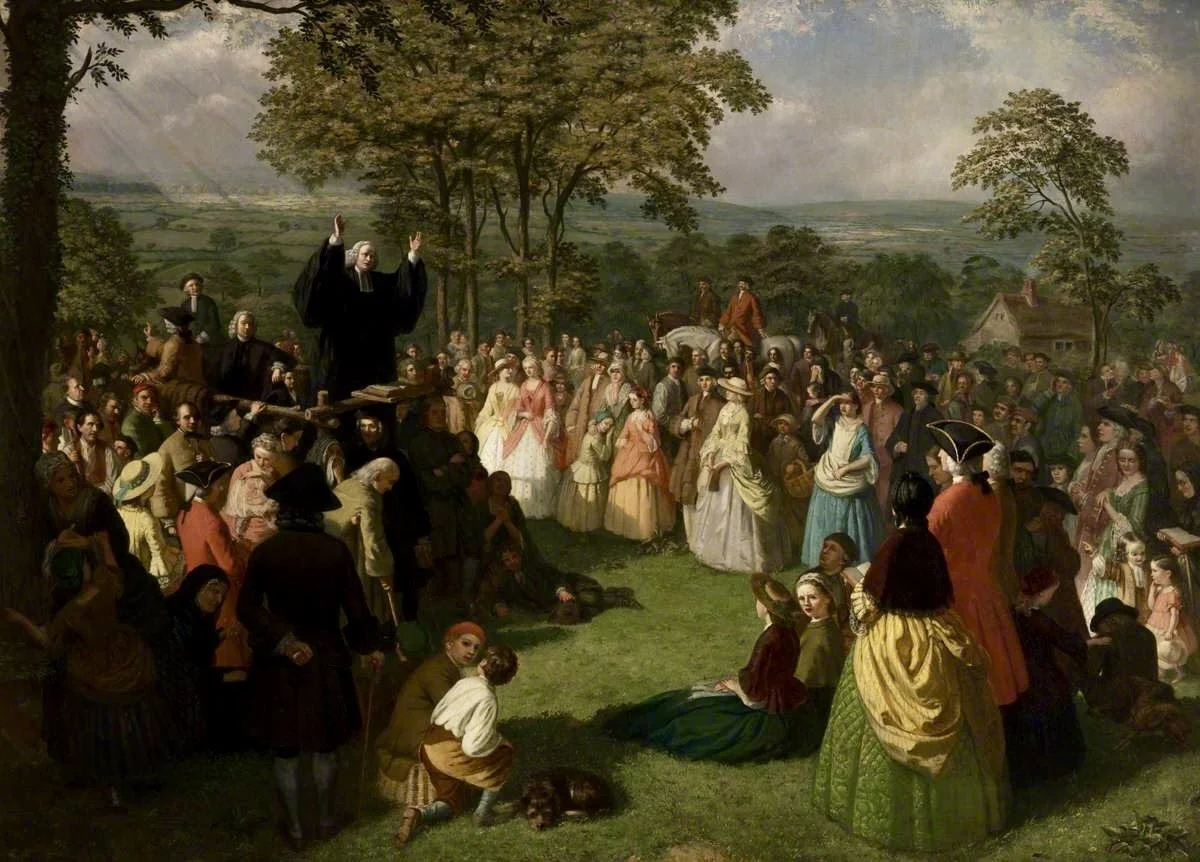
Many Christians gaze out at the current state of American culture with a certain resigned despair, mixed with a hopeful yearning for God to pour out His Spirit on our nation as He did during the 18th century. At that time, in what scholars call “the Great Awakening,” a tremendous spiritual revival broke out in the Thirteen Colonies, that saw countless lives transformed, and enormous crowds gathered to hear the preaching of the Gospel.
Read More
Power, Status, and the Subversion of the Pagan Moral Order: How Jesus' Birth Changed Everything
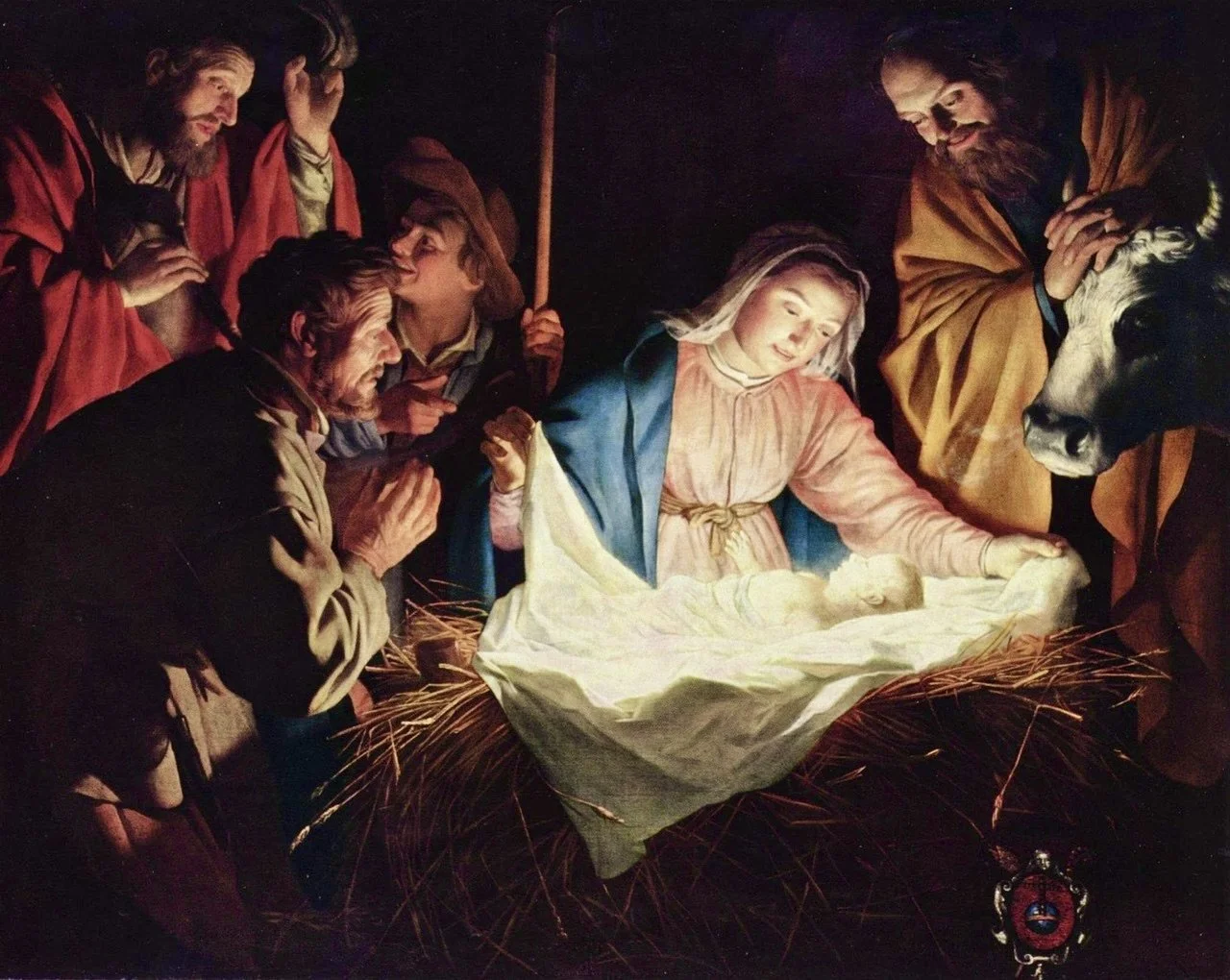
It's said that familiarity breeds contempt. Although our familiarity with the Christmas story doesn't cause us to look down on it, it can blind us to just how shocking the Nativity was to many in the first century.
Read More
Isolation, Community, and Hospitality: The Importance of Social Infrastructure in an Atomized Age
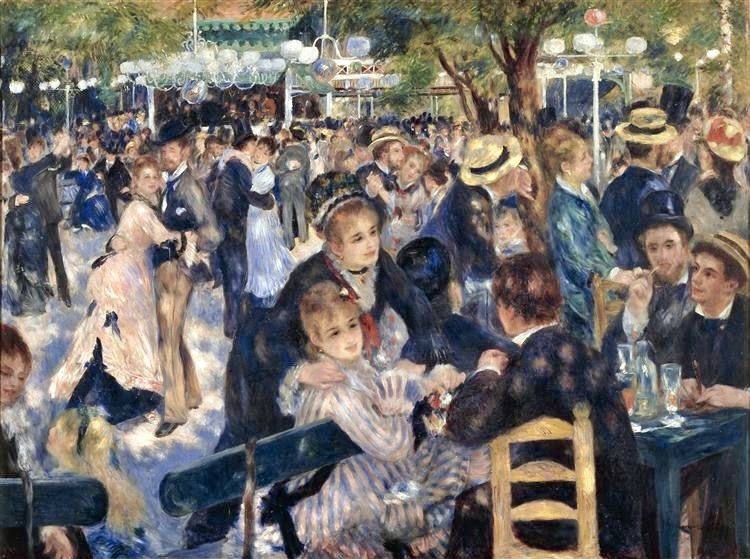
We all need community. In fact, numerous studies over the years have shown that healthy, close relationships help nourish our emotional, spiritual, and even physical wellbeing.
Read More
Courage, Discourse, and Identity Formation: Whole-Life Discipleship in a Contentious Age
This is why at Cambridge House, as we encourage students to explore life’s myriad complexities through the lens of faith, we emphasize the values of both courage and dialogue.
Read More
Wisdom, Quiet Times, and Deep Learning: The Importance of Reading in Community
“No ancient sacred books were meant to be read without a teacher.” This statement of C.S. Lewis’ strikes at the very heart of modern Evangelicalism where one’s private quiet time with the Lord is seen as the foundation upon which rests one’s spiritual life.
Read More
Hospitality, Belonging, and Conversion
Sociologist Rodney Stark in his book, The Rise of Christianity points out that, “Conversion isn’t about seeking or embracing an ideology; it is about bringing one’s religious behavior into alignment with that of one’s friends and family members."
What this means is that people are often attracted to the love of a particular community, begin to participate in the life of that community, and then over time bring their beliefs into alignment with those of the community itself..
Read More
But I Meant Well: Unlearning Colonial Ways of Doing Good
While in Ghana to coordinate with the World Health Organization on data collection following an Ebola epidemic, Dr. Jim Thomas visited Elmina Fort. Elmina is where Africans were enslaved and held to be put on ships to the Americas. Seeing a church in Elmina was a shock to Jim's Christian faith. In this lecture, he will talk about how he processed that shock over the following years and how it affects his international work now.
Read More
Some Reflections on Knowledge
I’ve been reflecting on what the diffusion of knowledge entails and why we should care about it: Is it just a mechanistic transmission of information (spoiler: I don’t think it is), or is it something more personal and spiritual? Does it matter how we go about such diffusion of knowledge, whether in the university or other educational communities such as Cambridge House?
Read More
Environmental Stewardship
As a church, we have often lacked an integrated theological framework to respond meaningfully to our environmental crisis. Too often, nature is seen as an afterthought, rather than a central part of our calling to steward God’s world.
Read More
The Economy of the Kingdom of God
Dr. Day will discuss Jesus' economic assumptions, his economic logic, and descriptions of how God's kingdom would work. Jesus' teachings do not give a ringing endorsement or condemnation of a contemporary economic system, but they do give us new insights into how we should live in this world and the one to come.
Read More
Follow Me
As someone who has worked in over 10 countries, served in four or five professions, and yet sometimes still wonders what I’ll be when I grow up, the idea of vocation as “something more than a career track” resonates deeply with me.
Read More
Welcome (Back) to Campus
As we leave the summer behind, the campus of William & Mary is once again teeming with students and faculty, and we look forward to seeing many new and familiar faces stop by Cambridge House for tea and good conversation.
Read More
Vocation: A Matter of Whole-Life Obedience
Our Fellows recently explored and discussed vocation, using texts from the excellent volume Leading Lives that Matter. We often take the question of vocation to be simply the question of career—what am I to do during work hours for paid employment?
Read More
Imagination & The Transcendent
Douglas Hedley is Professor of Philosophy of Religion at the University of Cambridge. In this lecture, Prof. Hedley discusses images of the Divine in C.S. Lewis's Till We Have Faces, a retelling of the myth of Cupid and Psyche.
Read More
The Kingship of Christ and the Life of the Mind
While the events of Holy Week may not seem to have much to say to the modern University, in fact the Kingship of Jesus teaches us much about the intellectual life.
Read More
Personalism & The Black Intellectual Tradition
In this lecture, Dr. Angel Adams Parham explores insights from the life of faith in writers from the Black intellectual tradition, with an emphasis on the work of Martin Luther King, Jr, as we seek insights for today.
Read More
Personal Identity and Resurrection: Early Modern Philosophical Perspectives
Dr. Jon Thompson recently presented a seminar with the Faraday Institute entitled, “Personal Identity and Resurrection: Early Modern Philosophical Perspectives.” Watch the replay online.
Read More
The Resurrection of the Body: An Ancient Hope for Modern People
The philosopher Immanuel Kant claimed that every human being must answer the fundamental question: “For what may I hope?” This lecture explores the Christian doctrine of the resurrection of the body, arguing that it provides unique and compelling answers to perennial human anxieties about death.
Read More
My Favorite Argument for God
Last week, Cambridge House had the pleasure of hosting 70 students, staff, and faculty for a lecture from Dr. Philip Swenson, an Associate Professor in William & Mary’s Philosophy Department, on his favorite arguments for God’s existence.
Read More